


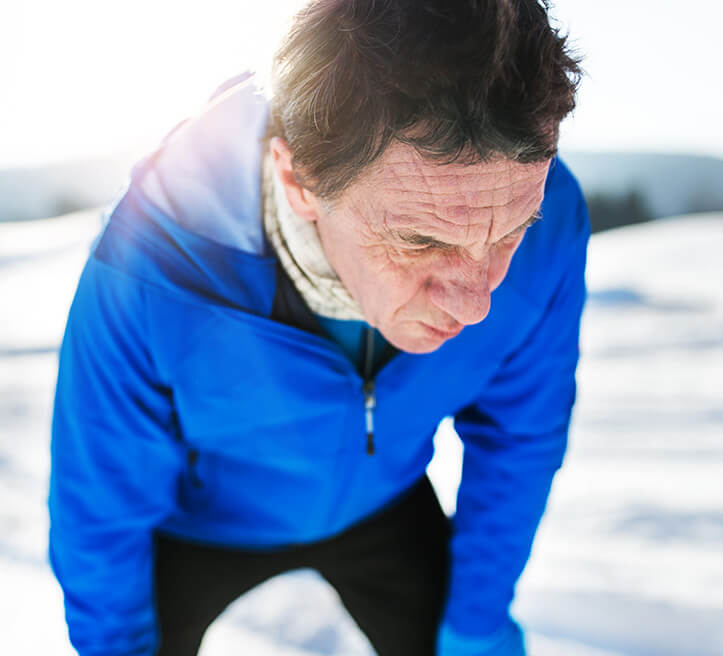

Altitude Sickness

If you’re planning to travel to high-altitude destinations, altitude sickness can be an unexpected concern. At Periville Pharmacy, we provide trusted advice, prevention support, and altitude sickness medication to help you stay well and travel with confidence.

Based in Grimsby, with two branches on Cromwell Road and Wingate Road serving nearby areas including Laceby, Keelby, Great Coates, and Healing, our expert pharmacists are here to support you before and during your journey.

What Is Altitude Sickness?

Altitude sickness, also known as high altitude illness, can happen when you travel to places over 2,500 metres above sea level. At higher altitudes, oxygen levels drop, and your body may struggle to adjust, especially if you ascend too quickly.
It’s commonly experienced in destinations such as the Alps, Mount Kilimanjaro, La Paz, or trekking routes. While symptoms are often mild and improve with rest, altitude sickness can occasionally become serious if not managed early.

Altitude Sickness Symptoms to Watch For

Symptoms usually start 6–10 hours after reaching a high altitude and may include:
Mild symptoms are common and often settle with rest. However, if symptoms worsen or do not improve, it’s important to act quickly to avoid complications.

What to Expect
at Your Appointment

What Causes Altitude Sickness?

Altitude Sickness Treatment & Relief

Most cases improve with rest at the same altitude. However, our expert pharmacists can advise on altitude sickness treatment, including:
In more severe cases, oxygen therapy or hospital treatment may be required, and we will clearly advise you when to seek urgent medical care or escalation.

How to Prevent Altitude Sickness

Simple steps can greatly reduce your risk:
Prevention is most effective when advice is taken before you travel, not once symptoms have started. Our team can provide guidance on altitude sickness prevention strategies tailored to your trip.

Why Choose Periville Pharmacy?

Speak to Us Before You Travel

Don’t let altitude sickness disrupt your plans. If you’re travelling to a high-altitude destination, speak to our pharmacy team today for expert advice and support. Visit any of our two branches or book an appointment in advance to travel with confidence.

FAQs

Altitude sickness can begin within 6 to 10 hours after reaching a high altitude, particularly if you ascend quickly without allowing time to acclimatise.
In most cases, symptoms are mild and manageable. However, if they worsen or are ignored, altitude sickness can become serious and require prompt action.
Yes. Preventive medication may be suitable for some people, especially those at higher risk or travelling to high altitudes quickly. A pharmacist can advise whether this is appropriate for you.
No. If symptoms develop, you should stop ascending and rest at the same altitude until you feel better.
If symptoms do not improve within 24 hours or begin to worsen, descending by 300–1,000 metres is usually recommended.

News and Insights

What Is the Difference Between the ACWY and B Meningitis Vaccines?

Meningitis is a serious and potentially life-threatening infection that affects the protective membranes surrounding the brain and spinal cord. Vaccination is the most effective way to reduce the risk of meningitis, but many people are unsure about the differences between the ACWY and B meningitis vaccines. Although both protect against

Can Typhoid Problems Cause Weight Gain or Loss?

Typhoid fever is a bacterial infection caused by Salmonella Typhi, often associated with contaminated food or water. Alongside the well-known symptoms such as high temperature and stomach discomfort, many people wonder whether typhoid can also lead to weight gain or weight loss. Can Typhoid Cause Weight Loss? Yes. Weight loss
Can Earwax Build-Up Affect My Hearing?

Earwax may seem like a minor inconvenience, but excessive build-up can affect your hearing and overall ear health. While earwax plays a natural role in protecting the ear canal, too much of it can create problems. What Is Earwax and Why Do We Have It? Earwax (cerumen) is produced by